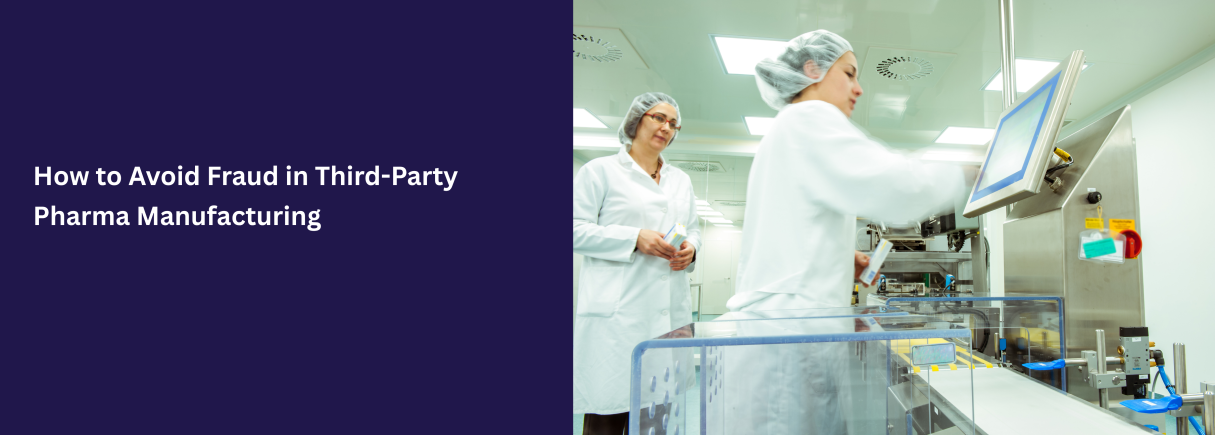
How to Avoid Fraud in Third-Party Pharma Manufacturing
Third-party pharma manufacturing has become a useful option for businesses that want to launch pharmaceutical products without setting up their own manufacturing facility. A company can work with a contract manufacturer to produce medicines according to agreed specifications, packaging requirements, and quantities.
However, choosing the wrong manufacturer can create serious problems. Delayed orders, poor-quality products, fake documents, unexpected charges, and misleading promises are some risks businesses may face. This is why proper verification should always be completed before signing an agreement or making a large payment.
Knowing how to identify warning signs can help new and experienced entrepreneurs protect their investment and maintain product quality.
Why Fraud Can Happen in Pharma Manufacturing
The pharmaceutical industry involves products that directly affect public health. Because of this, manufacturing requires proper facilities, quality systems, documentation, and regulatory compliance.
Fraud can occur when an unreliable company makes false claims about its manufacturing capabilities, certifications, product approvals, or production capacity. Some businesses may also use attractive prices to gain orders and later add hidden costs.
A manufacturer may appear professional during initial communication but fail to deliver products according to the agreed specifications. Therefore, business owners should never depend only on websites, brochures, or sales conversations.
Verify the Manufacturer Before Placing an Order
The first step is to verify the company's identity and manufacturing facility. Ask for relevant business and manufacturing documents and check whether the information is consistent.
A genuine manufacturer should be able to provide appropriate documentation related to its facility, products, quality standards, and regulatory requirements. If a company avoids reasonable verification requests or provides unclear documents, consider it a warning sign.
Where possible, independently verify important information rather than accepting every document at face value.
Check the Manufacturing Facility
A website can show attractive photographs of a factory, but photographs alone do not prove that the facility is genuine or currently operational.
If practical, arrange a factory visit before entering into a long-term agreement. During the visit, observe whether the facility has suitable production areas, storage conditions, quality-control arrangements, and trained personnel.
If a physical visit is not possible, request a live video inspection or obtain reliable third-party verification. The goal is to confirm that the manufacturing operation actually matches the claims being made.
Be Careful With Unrealistically Low Prices
Price is an important part of business planning, but an unusually low quotation should be examined carefully.
Manufacturing costs include raw materials, packaging, testing, labor, production, quality control, transportation, and other operational expenses. If one company offers a price far below the market range, ask how it can maintain that price while meeting required quality standards.
Low pricing is not automatically fraudulent, but it deserves additional questions. Compare quotations from several manufacturers and understand exactly what is included in each offer.
Confirm Product Quality Requirements
Never place an order without clearly defining product specifications. The agreement should identify important details such as formulation, strength, dosage form, packaging, quantity, labeling requirements, and other agreed specifications.
Quality expectations should be discussed before production begins. If samples are provided, examine them carefully and make sure the final manufacturing requirements are clearly documented.
Businesses should also understand how quality testing and batch release are handled. Proper records can become valuable if a dispute occurs later.
Verify Certifications and Claims
One of the biggest mistakes businesses make is trusting certification claims without verification.
A manufacturer may mention quality certifications or approvals in its promotional material. Instead of assuming that every claim is genuine, ask for relevant certificates and verify their validity through appropriate sources whenever possible.
Pay attention to certificate names, dates, issuing organizations, facility details, and scope. A certificate belonging to another company or an expired document should immediately raise concerns.
Use a Clear Written Agreement
A written manufacturing agreement is one of the best ways to reduce misunderstandings.
The contract should clearly explain responsibilities, product specifications, pricing, payment schedules, production timelines, quality requirements, packaging, delivery conditions, rejection procedures, and dispute handling.
Avoid relying only on verbal promises made by sales representatives. If an important promise matters to your business, include it in the written agreement.
The agreement should also explain what happens if products are delayed, damaged, rejected, or found to be different from the agreed specifications.
Avoid Making Large Advance Payments Without Verification
Payment terms should be handled carefully. A request for a significant advance payment is not necessarily fraudulent, but making a large payment before verifying the manufacturer creates unnecessary risk.
Confirm the company's legal business details and bank information before transferring funds. Be cautious if payment is suddenly requested to an unrelated personal account or a bank account that does not match the business identity.
For new relationships, businesses can discuss payment structures that reduce exposure while still being reasonable for the manufacturer.
Understand Third Party Manufacturing vs In-House Manufacturing
Before selecting a contract manufacturer, businesses should understand the difference between outsourcing production and maintaining their own facility. Third Party Manufacturing vs In-House Manufacturing involves different levels of investment, control, responsibility, infrastructure, and operational complexity.
Outsourcing can reduce the need for expensive manufacturing infrastructure, but it also means the business depends on an external partner for production. This makes manufacturer selection especially important.
Watch for Common Warning Signs
Certain behaviors should encourage additional verification. These include pressure to make immediate payments, refusal to provide basic documentation, inconsistent company information, unclear manufacturing addresses, unexplained price changes, and promises that sound too good to be true.
Another warning sign is poor communication after receiving an advance payment. A trustworthy business partner should maintain clear communication throughout production and delivery.
Do not ignore small inconsistencies. A minor documentation problem may not always indicate fraud, but several warning signs together deserve serious attention.
Research Before Starting a New Pharma Venture
New entrepreneurs often search for affordable ways to enter the pharmaceutical sector. A Low Investment PCD Pharma Franchise can be one business model, while contract manufacturing is another option. Each model has different requirements and risks.
Anyone considering a PCD pharma franchise in India or outsourced production should first understand the company's reputation, product quality, business terms, and support system.
For a new entrepreneur, third-party manufacturing for new pharma startup can provide an opportunity to access manufacturing infrastructure without building a complete production unit. However, proper due diligence remains essential.
Keep Complete Records
Maintain copies of quotations, agreements, purchase orders, invoices, product specifications, certificates, test reports, communication records, and delivery documents.
Good record keeping makes it easier to track an order and resolve disagreements. It also helps businesses compare actual delivery with the original agreement.
Avoid depending entirely on informal messages. Important commercial and quality-related decisions should be properly documented.
Final Thoughts
Choosing a third-party manufacturer requires more than comparing prices. A reliable partner should demonstrate proper manufacturing capabilities, transparent communication, consistent quality practices, and clear documentation.
Before entering into third party pharma manufacturing, take time to verify the company, inspect its facilities where possible, confirm certifications, define product requirements, and sign a detailed agreement.
Fraud prevention begins before the first order is placed. Careful research may take extra time, but it can protect your money, reputation, customers, and long-term business plans.
For entrepreneurs researching reliable pharmaceutical business opportunities and manufacturing support, Iscon Life Sciences can be considered as one company to evaluate based on its products, services, documentation, and business requirements.
FAQs
1. How can I identify a fraudulent manufacturer?
Check the company's legal details, manufacturing facility, certifications, product documentation, reputation, and business address before placing an order.
2. Should I visit the manufacturing facility?
Yes, whenever practical. A physical visit can help verify whether the claimed facility and manufacturing operations actually exist.
3. Is a very low quotation a sign of fraud?
Not always, but an unusually low price should be investigated. Ask what is included and compare it with other market quotations.
4. Why is a written agreement important?
It clearly records product specifications, prices, timelines, quality requirements, payment terms, and responsibilities, reducing the chance of future disputes.
5. Can new businesses use third-party manufacturing?
Yes. It can help businesses access manufacturing facilities without establishing their own plant, but proper manufacturer verification and quality checks are essential.